

Relocating industrial equipment is a completely different challenge compared to moving office furniture or household items. Whether you run a warehouse in Al Quoz, a manufacturing unit in Jebel Ali, a gym chain across Dubai, or a commercial facility in Abu Dhabi, the moment you start moving heavy machinery without proper planning, things can go wrong fast.
We have seen businesses lose entire production days because of poor coordination. We have seen machines arrive damaged because the straps were not rated for the load. And we have seen companies spend far more money fixing mistakes than they would have paid for professional industrial equipment movers in the first place.
This guide breaks down the most common and costly mistakes businesses make during machinery relocation, and how to avoid them.
1. Underestimating the Complexity of Industrial Equipment Relocation
Not all machines move the same way. A CNC machine, a commercial treadmill, and a hydraulic press each have a different centre of gravity, internal components that shift during transport, and weight-distribution requirements that demand specific handling techniques.
Many businesses assume that heavy equipment moving services just mean loading something onto a truck and driving to the new location. In reality, even slight tilting of certain machines during transport can permanently damage internal parts, such as gears, bearings, and motors, that are not visible from the outside.
Heavy equipment packers and movers who specialize in industrial machinery understand load dynamics and use the right rigging, blocking, and bracing techniques to protect your investment from Point A to Point B.
2. Failing To Create a Detailed Relocation Plan
Walking in without a plan is the fastest route to expensive delays. Industrial machinery relocation services always begin with a thorough planning phase, and skipping it is one of the biggest mistakes a business can make.
A proper relocation plan covers:
- Timeline — how long dismantling, transport, and reinstallation will take
- Staff coordination — who is responsible for what on moving day
- Equipment inspection — condition before and after the move
- Route planning — road access, turning radius, bridge clearances
- Site preparation — is the new floor load-rated for the machinery?
Dubai industrial zones, such as Business Bay, often have specific loading bay hours and vehicle size restrictions. In Abu Dhabi, certain warehouse zones limit access to heavy transport vehicles during peak hours. An equipment moving company that knows these local logistics avoids delays before they happen.
3. Using Improper Packing Materials and Moving Equipment
The packing materials that work fine for furniture will not protect your machinery. Residential movers often use standard blankets and basic straps equipment rated for a few hundred kilograms at best. Industrial machinery weighing multiple tonnes requires industrial-grade ratchet straps, custom crating, vibration-damping foam, and load-securing systems that match the machine’s actual weight and fragility.
Weak straps can snap during transport. Low-quality packing allows surface damage. The lack of shock protection means that internal components absorb every bump on the road.
Reliable industrial movers use professional packing materials and purpose-built transport protection instead of standard moving supplies.
4. Skipping Route Surveys and Site Inspections
A route survey is not just about checking if a truck fits on the road. It covers:
- Elevator load ratings and interior dimensions at the destination building
- Narrow corridor widths or tight turns that need special maneuvering equipment
- Parking restrictions near the loading dock on moving day
- Uneven flooring or ramps that affect equipment carts and forklifts
- Loading dock height compatibility with the transport vehicle
In Dubai, areas like Business Bay have underground loading bays with strict height restrictions. Al Quoz warehouses often have wide access but shared yard space that needs to be coordinated. Jebel Ali industrial zones have specific gate check-in procedures for large vehicles.
Skipping the site inspection means discovering these problems on moving day when the clock is already running, and your team is standing by.

5. Ignoring Machinery Dismantling and Labeling
Large machines almost always need to be dismantled before they can be safely moved. One common mistake businesses make is rushing this step or skipping labeling entirely.
When machine components are not labeled properly, reassembly at the new site becomes difficult. Electrical wires can connect to the wrong terminals, bolts can get misplaced, and installation can take far longer than expected.
Gym equipment is a good example. Multi-station gym rigs may look simple, but they contain many parts that must be reassembled in the correct order. Gym equipment movers photograph, label, and organize every component before dismantling begins.
6. Poor Safety Planning During Heavy Equipment Moving
Industrial equipment and machinery shifting involves real physical risks. Cranes, forklifts, heavy pallets, and suspended loads can cause serious injuries when proper safety protocols are not followed.
Key safety requirements include:
- Full PPE for every person involved — helmets, gloves, steel-toe boots, and high-visibility vests
- Crane and forklift operators with valid certifications
- Weight balancing checks before any lift
- Clear exclusion zones around lifted loads
The risk of using inexperienced labor is significant. Workers who are not trained in rigging or load securing often underestimate swing radius and load shift. One miscalculation can damage the machine, damage the building, or worst of all, injure someone on site.
Industrial moving services that prioritize safety invest in trained crews, not the cheapest labor available.
7. Ignoring Insurance and Liability Coverage
This is a section most businesses skip until something goes wrong.
Transit accidents happen. Equipment gets dropped. A forklift clips a frame. A machine that seemed secure on the truck shifts during an emergency stop. Without proper transit insurance, your business absorbs the full cost of repair or replacement.
Before signing any relocation agreement, confirm that the moving company carries adequate coverage for the value of your machinery. Ask specifically about transit insurance, not just general liability. Many businesses assume they are covered and discover too late that they are not.
A reputable equipment moving company provides documentation of its insurance before the job begins.
8. Not Considering Downtime and Business Continuity
Every hour your production line is down costs money. Every day your gym equipment sits in pieces costs you memberships. Downtime during relocation is unavoidable, but minimizing business interruption should always be part of the plan.
Poor scheduling can lead to operational delays, lost productivity, and unnecessary business disruption while equipment remains offline.
Smart businesses schedule relocations during evenings, weekends, night shifts, or planned production shutdowns to reduce downtime as much as possible. A professional relocation company works around your operational schedule to help businesses get back to normal operations faster.
9. Failing To Follow Local Transport Regulations in Dubai and Abu Dhabi
Industrial machinery transport in Dubai comes with regulatory requirements that most businesses are unaware of.
Oversized loads require special permits from the Roads and Transport Authority (RTA) in Dubai and the Department of Transport in Abu Dhabi. Certain vehicle weight limits apply on specific roads. Transport of particularly large machinery is sometimes restricted to night-time hours to avoid traffic congestion.
Machinery relocation in Abu Dhabi also involves specific industrial zone regulations, especially around Musaffah and ICAD areas, where heavy transport has designated routes.
Violating these regulations results in fines and forced delays. Trusted industrial movers handle permit applications and route compliance as standard practice.
10. Hiring Cheap Movers Instead of Experienced Industrial Movers
It is tempting to choose the lowest quote, but it often leads to higher costs in the long run.
Cheap movers who do not specialize in industrial machinery typically lack the right equipment, no proper cranes, no industrial rigging, and no reliable transport protection for heavy machines. They also lack the training required to handle industrial equipment safely during loading, transport, and unloading.
Insurance is another major issue. Many low-cost movers provide insufficient coverage, so businesses may end up paying for repairs or replacements themselves if something goes wrong during the move.
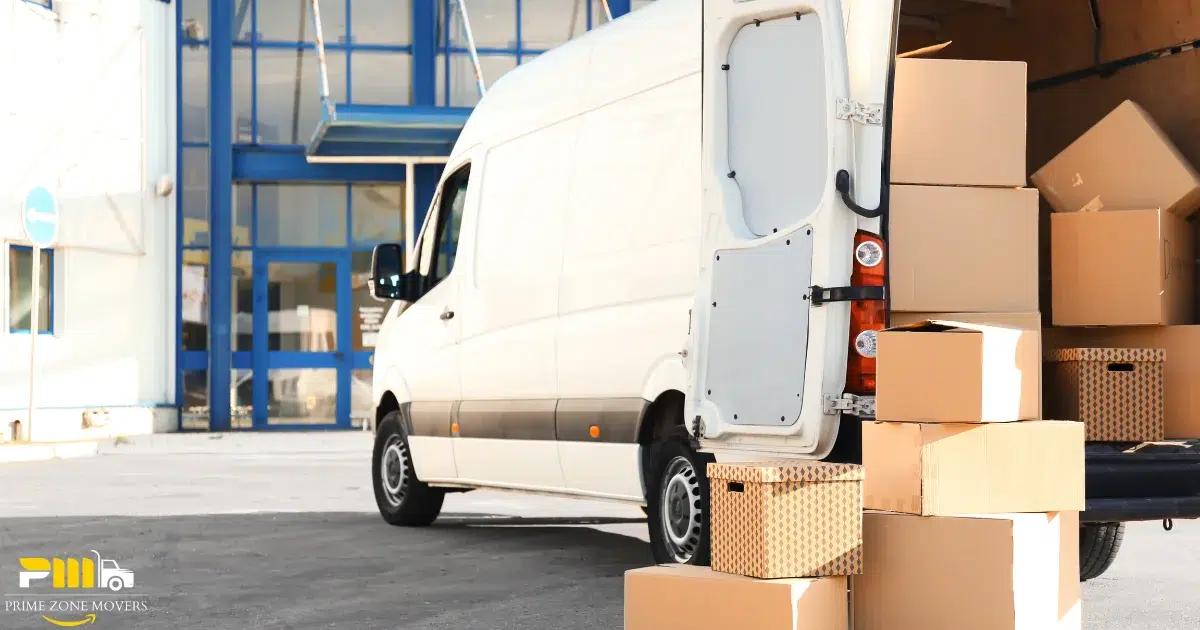
Why Businesses Choose Professional Industrial Equipment Movers
Professional industrial movers bring trained staff, specialized transport equipment, and a structured process that protects both your machinery and your business continuity.
Prime Zone Movers handles industrial relocations across Dubai and Abu Dhabi with a team that understands the technical and logistical demands of machinery transport from initial site survey through to post-move equipment testing. No shortcuts, no improvisation.
Industrial Equipment Relocation Checklist
Use this before, during, and after any industrial move:
| Task | Details |
| Equipment Inspection | Check all machines before and after the move |
| Route Survey | Visit the site, measure doors & elevators |
| Dismantling Plan | Label all wires, bolts, and components |
| PPE & Safety Gear | Helmets, gloves, and steel-toe boots for all crew |
| Transit Insurance | Confirm coverage before loading begins |
| Downtime Schedule | Plan after-hours or weekend relocation |
| Permits & Compliance | Obtain oversized load permits if required |
| Post-Move Testing | Functional test every machine after setup |
Final Thoughts
Proper machinery relocation saves time, protects equipment, and keeps operations running smoothly. Poor planning often leads to costly delays and damage.
Avoiding these mistakes is not complicated; it comes down to choosing experienced professionals, planning thoroughly, and never cutting corners on safety or insurance.
Whether you are relocating a factory in Jebel Ali, a warehouse in Abu Dhabi, or a commercial gym in Dubai, the right industrial movers and packers make the difference between a smooth transition and a costly disaster. Prime Zone Movers supports industrial relocations with planned, safety-focused moving solutions.
Frequently Asked Questions
What is the biggest mistake companies make when moving industrial machinery?
The most common mistake is underestimating the complexity of the move — skipping site surveys, using residential-grade packing materials, and not planning for downtime. These errors compound each other and result in damaged equipment and unnecessary delays.
Why is route planning important for machinery relocation?
Route planning identifies physical barriers, such as low ceilings, narrow corridors, and elevator weight limits, before moving day. In Dubai and Abu Dhabi, it also accounts for road restrictions, gate procedures, and loading bay access hours specific to industrial zones.
Do industrial machines need to be dismantled before transport?
In most cases, yes. Large machinery must be broken down into manageable components for safe loading and transport. Every part should be labeled and photographed to ensure fast, accurate reassembly at the new site.
How can businesses reduce downtime during equipment relocation?
Schedule the move during off-peak hours, weekends, or planned shutdowns. Work with a moving company that builds your operational calendar into the relocation plan and completes post-move testing before handing the site back to you.
Why should businesses hire trusted industrial equipment movers?
Trusted industrial movers have the right equipment, trained staff, insurance coverage, and knowledge of local regulations. The upfront cost is always lower than the cost of repairing damaged machinery or dealing with regulatory fines.
Is industrial equipment relocation different from office moving?
Completely different. Industrial relocation involves heavy machinery with specific handling requirements, technical dismantling and reassembly, specialist transport vehicles, and compliance with transport regulations. Office moving requires none of this.